Metal Straightened or Panels Replaced
Dent repair in Pittsfield for parking lot impacts, roadside contact, and door dings on all panel types
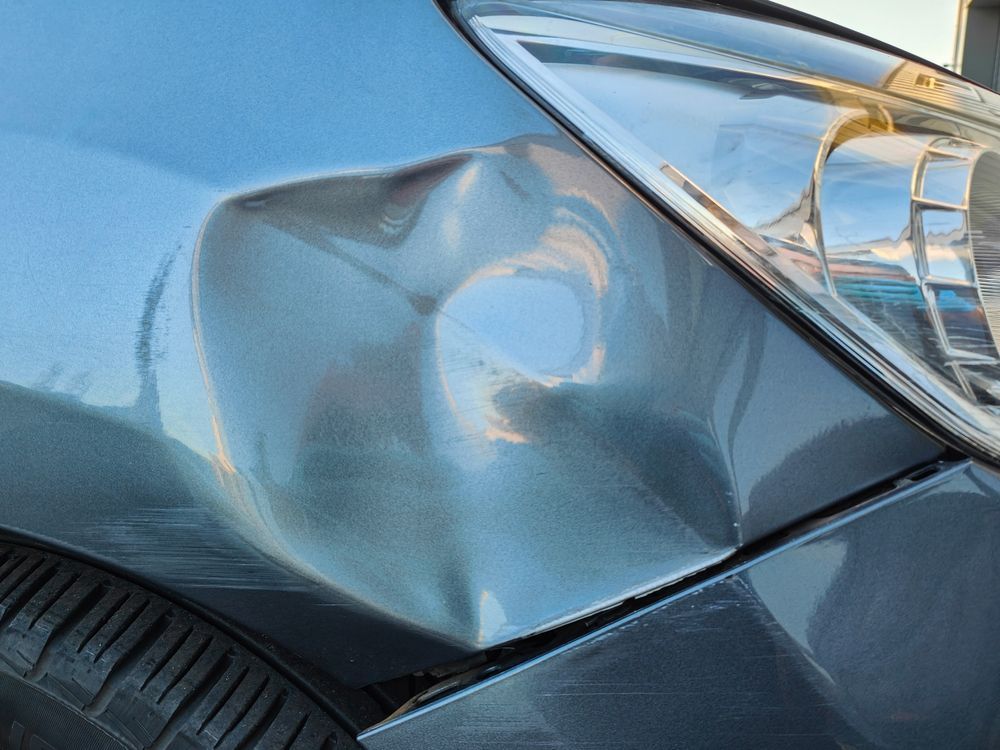
The technician assesses whether the panel can be straightened or needs replacement, then pulls or reshapes the metal, applies filler if needed, and refinishes the panel so the repair matches the surrounding finish. Berkshire Mountain Collision Center repairs dents in Pittsfield using traditional body repair methods, and installs OEM certified factory parts where replacement is required to keep your vehicle as the manufacturer built it. Panels that cannot be restored without visible distortion or compromised structural integrity are replaced rather than forced back into shape, which prevents future failure and maintains the panel's original strength.
Dents in the Berkshires often come from parking lot and roadside incidents on older and newer vehicles alike, and the panel type determines whether a dent is pulled, filled, or replaced. Aluminum panels require different techniques than steel, and high-strength steel used in newer vehicle construction cannot be worked the same way as mild steel found in older models, so the assessment must account for material properties before the repair method is selected.
Request a panel assessment to determine whether your dent can be straightened or requires replacement and refinishing.
How Panel Type Affects the Repair
Steel panels can often be pulled and reshaped if the metal has not been stretched or creased beyond its elastic limit, while aluminum and high-strength steel may require replacement if the damage has compromised the panel's structural role or created stress fractures. Filler is applied only where the metal cannot be brought back to its original contour through pulling or hammering, and the filled area is shaped and sanded to match the surrounding surface before primer and paint are applied.
After the repair, the panel surface will be smooth and flush with adjacent areas, the paint will match the surrounding finish without visible transitions, and there will be no flex or oil-canning when you press on the repaired area. Properly repaired panels do not show stress cracks or distortion over time because the metal has been restored to its original shape rather than simply covered.
The shop helps with your insurance claim, including documentation of the damage and communication with adjusters who may initially estimate a lower repair cost than what the work actually requires once the panel is assessed.
Common Questions About This Service
Dent repair involves decisions about whether a panel should be straightened or replaced, and customers often want to understand what those decisions are based on and what the finished result will look like.
How do you decide whether a dent can be pulled or needs replacement?
The technician examines the depth, location, and type of damage to determine whether the metal can return to its original contour without stretching or cracking, and checks for stress points along body lines and structural areas that would weaken the panel if straightened.
What is the difference between pulling a dent and using filler?
Pulling removes the dent by reshaping the metal back to its original form, while filler is used to smooth areas where the metal cannot be fully restored and is applied in thin layers over a straightened but slightly uneven surface.
Why do some dents on newer vehicles require panel replacement instead of repair?
High-strength steel used in modern vehicle construction can crack or lose its structural integrity when heated or reshaped, so panels made from this material are often replaced rather than pulled to maintain the vehicle's crash protection and factory strength.
How does the repair method vary for vehicles common in Morningside and Westside neighborhoods?
Older sedans and trucks in those areas often have mild steel panels that can be worked and reshaped, while newer SUVs may have aluminum or composite panels that require different tools and cannot be repaired using traditional hammer-and-dolly techniques.
What should you look for after a dent repair is finished?
The repaired area should be smooth to the touch with no waviness or high spots, the paint should match the surrounding color and gloss without noticeable transitions, and the panel should not flex or make noise when pressed.
Berkshire Mountain Collision Center also performs dent repair in Lenox, Dalton, North Adams, Great Barrington, and Lee. Schedule an inspection to review your panel damage and determine the most effective repair approach based on the material and location.